Planning Retaining Wall Construction
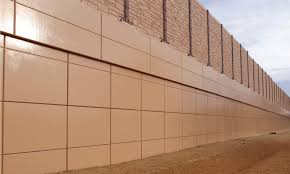 Retaining walls are a great option for slope management, water drainage, and erosion control. Often built from natural stone, retaining walls provide a distinct border and level of definition to a landscape area. Whether you are planning to build a large or small retaining wall, you can choose a style and material that will compliment the surrounding environment. However, if you are not sure what type of retaining wall to build, it is always best to seek the services of a professional construction service to ensure a quality installation. click to read more
When planning a retaining wall construction project, it is essential to understand the slope and soil conditions of the area. It is also important to consider the space available for construction. Also, there may be utility lines running through the area. A professional will factor these factors into the design and construction of a retaining wall to ensure that it will be safe and stable for years to come.
The cost of retaining a wall is largely dependent on the type of material and design chosen. A stone wall is typically more expensive than a timber wall, and it also requires a professional mason to ensure the proper installation. But, timber retaining walls are just as durable and can hold back soil just as effectively. However, they might not be ideal for areas with high rainfall.
The purpose of retaining a wall is to prevent land from collapsing or eroding. They also provide support for vegetation and soil behind them. In addition to being functional, retaining walls are also decorative. A brick or concrete retaining wall can be used as a backdrop to an outdoor kitchen.
When choosing a design, take into account the amount of backfill you need. A wall that is more than six feet tall should have a free-draining aggregate fill. This type of fill compacts the soil with the least pressure on the wall. In addition, it’s also the most affordable option for taller walls.
Another option is to choose a stone retaining wall. While stone is more expensive than concrete, it is often a beautiful option for a rustic setting. It is durable and can hold up to a century of pressure. If the wall is built properly, it will last for many years and will not need to be replaced.
Another important consideration is the base of the wall. Ideally, the base of a retaining wall should be at least six inches below the ground. Taller retaining walls should be further below. A good base should include compacted soil and sand and gravel. This foundation is crucial for a long-lasting retaining wall.
Retaining walls require structural engineering and professional help. A structural engineer will design a functional wall with the ground bearing capacity and height of the water table in mind.