Electrical Services- A Guide
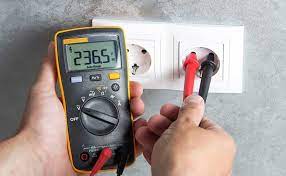 It is important to keep your electrical services up to date. Your electrical panel is the point where electricity is distributed to the rest of the structure. As you add more appliances and devices to your home, the demand for electricity will increase. This means that your electrical panel may need an upgrade. An old panel may need replacement due to wear and tear, and it may no longer meet codes. Get more informations of electrical services near me
In addition to the main service panel, your residential electric service cable has two subpanels. These are usually fed by your main service panel. Having a subpanel allows you to expand your electrical service and can serve as a convenient satellite panel for a detached garage or workshop. But if your electrical service panel is not up to code, you might have a fire hazard.
The main service panel is located either inside or outside your home. It is usually a gray or black metal box that can be seen from the outside of your home. In some homes, it is located in a utility room or in a utility closet. If you’re not sure of the exact location, check the exterior wall for the service panel.
Industrial electrical service providers can provide a range of electrical services, including maintenance, installation, and repair. These services are often needed by large industries. They require the installation of machinery, control systems, and high voltage boards. They also need to ensure that all projects are done safely and in accordance with safety laws. There are many advantages to choosing an electrical service provider with the right experience, so you’ll be able to make the right choice for your needs.
Electrical service providers are trained to diagnose electrical problems, including electrical circuits that trip due to improper wiring or an appliance that’s causing an arc fault. In some cases, these electrical problems can even be caused by a single loose screw in a terminal connection. An electrician can also install dedicated circuits for appliances that draw a lot of energy. A qualified electrician will also install new plugs.
Residential electrical services usually reach a voltage of between 120 and 240 volts. The voltage depends on the electrical needs of the house. An electrician can size the service to accommodate these needs and allow a comfortable margin for unexpected increases and decreases. A 100-amp service is sufficient for a small house without an electric heating system, while a 150-amp service is sufficient for a larger house with an electric heating system.
In order to change a service, the old meter socket and main disconnect must be removed. A new meter-main, is then installed. This is a metal enclosure containing the meter socket, utility pull section, and distribution section. The new meter-main contains the service drop, which is a twisted triplex cable that terminates at a utility splice on the weather head. The wires on the house side of the splice travel through a service conduit.