All That You Need to Know About an Interventional Radiologist
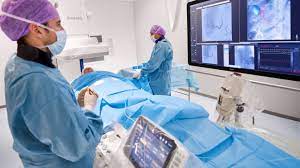 Interventional Radiologist is your one-stop shop for medical care. Whether you are seeking inpatient or outpatient services, we can help you get the care you need and deserve. We offer a wide range of services, including surgery, radiation therapy, and more. Our team of experts will work with you to find the best treatment for your specific condition—no matter how complex it may be. Contact us today to schedule a consultation! Visit Uterine Fibroid Embolization in Houston
Interventional radiology is the practice of using medical technology in order to improve the health and well-being of patients. This can include treating diseases, providing relief from pain, and diagnosing and managing conditions. Interventional radiology can be done through surgery, radiation therapy, or other medical procedures.
Interventional radiology can be used for a variety of procedures, including:
-Surgical procedures: Interventional radiology can be used to remove tumors, fix bones and muscles, or replace hearts and lungs.
-Radiation therapy: Radiotherapy is a type of radiation therapy that is used to treat various illnesses such as cancer.
– Medical procedures: Procedures that are performed with interventional radiology may include treatments for pain, fever, mental health issues, food allergies, birth defects, or other disorders.
Interventional Radiologist Care.
Interventional radiology can help perform a variety of medical procedures, including:
-Ultrasound scanning
-Echocardiography
-Pulmonary embolism screening
-Chronic myocardial infarction (heart attack) studies
-Stroke studies
-Pulmonary embolism (PE) diagnosis and treatment
-Gastric bypass surgery
-Laparoscopic cholecystectomy
The main goal of interventional radiologists is to protect patients by performing minimally invasive treatments and surgeries in a safe and comfortable environment. To achieve this, they use a variety of techniques and care for their patients in an individualized way according to their condition and the available resources. These techniques include:
Ultrasound scanning: Ultrasound scans are used to visualize the inside of the body, which is important for diagnosing problems like PE or heart disease. Interventional radiologists use ultrasound radiation therapy to treat these conditions. This type of scan is often done on larger patients who may not be able to be treated with other methods.
Echocardiography: Echocardiography is used to measure the function of the heart muscles using sound waves. It can be used to diagnose heart diseases such as myocardial infarction (heart attack), atrial fibrillation (an episodes of irregular heart beats), and Wolff–Parkinson–White syndrome (a family history of Parkinson’s disease).
Pulmonary embolism screening: Pulmonary embolism screenings are used to detect any potential pulmonary emboli before they cause damage to your lungs or blood vessels. They can also be used as a prelude for surgery if you have a suspicious PE lesion on your chart.)
Gastric bypass surgery: Gastric bypass surgery is when surgeons remove part or all of the stomach so that food doesn’t pass through the small intestine into the large intestine, leading to weight gain or malnutrition in the dieter or patient. This type of surgery is often recommended for people who have had trouble eating because it can help them lose weight quickly without having any side effects.
Laparoscopic cholecystectomy: Laparoscopic cholecystectomy is a type of surgery that uses a small incision in the stomach and then inserts a tube through it to take blood from the surrounding organs and store it in the stomach. This procedure is often used to remove gallstones or other large lesions from the stomach.
Laryngeal cancer surgery: Laryngeal cancer surgery is a type of surgery that uses radiation therapy and chemotherapy to treat or kill cancer cells in the larynx (back of the throat). This type of surgery is usually recommended for people who have been diagnosed with stage III or IV laryngeal cancer.
Interventional Radiologist Care for Children.
Interventional radiologists can help children by performing a wide variety of medical procedures, including:
-Amputations
-Cord operations
-Pulmonary embolism (PE) diagnosis and treatment
-Surgical procedures for the spine, heart, and jaw
Interventional radiologists typically work with other physicians to provide care for children. They may also use technology to improve treatment outcomes. For example, they may employ tomography (a types of x-ray that reveals detail about the body), magnetic resonance imaging (MRI), or computed tomography (CT) to see inside the body. In some cases, they may also use high-resolution ultrasounds to diagnose problems in young children.
In addition, pediatric radiologists may work with other specialists to help them manage fever, nutrition, and physical activity during surgery.
Interventional radiologists often play an important role in managing many common pediatric diseases such as leukemia and pneumonia. In addition, they can help prevent serious health conditions from developing in kids by providing early diagnosis and treatment options for major illnesses like leukemia and pneumonia.
Some risks associated with interventional radiotherapy include:
-Risk of death from radiation therapy complications
-Risk of blood loss during radiation therapy
-Risk of infection after radiation therapy
-Risk of cancer development due to radiation therapy
Interventional Radiology can be a great tool for treating patients and providing important benefits. However, it is important to take some time to prepare your listing and promotional strategy before you get started. By optimizing your product listing for SEO, creating attractive photos, and pricing your products competitively, you can give yourself the best chance for success.Promoting your products through social media, influencers, and other marketing channels can also help you reach more potential customers. By monitoring your sales and making necessary adjustments, you can ensure that your business is successful in the long run.