A Comprehensive Guide to Bed Bug Inspections
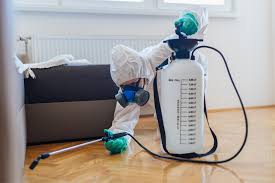 A bed bug inspection is a thorough examination of an area for the presence of bed bugs. This process can be conducted by a trained bed bug detection dog, by a qualified human inspector, or by a combination of both. Bed bug inspectors use specialized equipment and techniques to help them find bed bugs that might be hiding in cracks, crevices, and other small spaces.Bed Bug Treatment Services in NYC – thermalbedbugheat.com offers excellent info on this.
The Importance of Regular Inspections
Regular inspections are important for two reasons. First, they help to identify an infestation early so that it can be treated quickly. Second, they help to prevent infestations from occurring in the first place. By regularly inspecting your home or business, you can catch bed bugs before they have a chance to establish themselves.
How Often Should You Inspect?
How often you inspect depends on several factors, including the size of the area being inspected, the level of risk for infestation, and the presence of any previous infestations. Generally speaking, it is recommended that you inspect your home or business once every three months. If you have reason to believe that there may be an infestation (for example, if you see signs of bed bugs), then you should conduct an inspection as soon as possible.
What to Look for During an Inspection
During an inspection, you should look for signs of bed bugs such as live insects, shed skins, eggs, and feces. These insects are small (about the size of an apple seed), so it is important to look carefully. You should focus your inspection on areas where people sleep or spend a lot of time sitting or lying down, as these are prime locations for bed bugs to hide. These areas include beds, couches, chairs, and other furniture; carpets and rugs; and curtains and drapes.
When inspecting these areas, look for brown or red stains on fabrics; small dark spots on walls or ceilings; and small clusters of eggs (called “nits”) attached to hair shafts. Eggs are very small (about 1 mm long) and difficult to see without a magnifying glass. Nits are even smaller (about 0.5 mm long).
A bed bug inspection is a critical first step in preventing or treating an infestation. By regularly inspecting your home or business – especially any areas where people sleep or spend extended periods of time – you can catch an infestation early and get rid of it before it becomes a bigger problem. If you do find signs of bed bugs during an inspection, don’t hesitate to call a professional pest control company like ours here – we’re always happy to help!