The Basics of Pest Control- Points
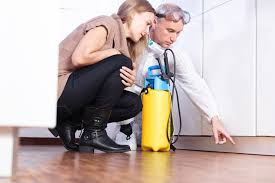 Pest control is the process of controlling organisms that are destructive to the environment. These organisms may include insects, vertebrates, and other organisms. Pests can be continuous or sporadic, and some may be seasonal. Mint Pest Control has some nice tips on this. Pest control may be necessary when pests cause a high amount of damage or are at risk of causing damage.
Biological pest control
Biological pest control is an environmentally friendly way of preventing the spread of pests. Compared to conventional pesticides, it is much safer and has fewer negative side effects. However, some problems can still arise due to unintended consequences. For example, the introduction of an exotic species has been known to cause unwanted negative consequences.
Biological control agents can include microorganisms, microorganisms, or plant protection products. These biological products can compete with fungal plant pathogens or stimulate the natural defences of plants. The biological control principle is based on managing the balance of populations of plant pests rather than eradicating them entirely.
Traps
Traps are a valuable tool in pest control. They can be purchased at a garden center or retail nursery and are an effective way to reduce the density of pests in your area. Commercial traps are available in different varieties and can be set out as early as two weeks before the earliest signs of an infestation. They work by trapping insects in sticky or non-sticky surfaces.
Sticky traps are most effective in capturing insects that are difficult to find. However, they are not ideal for obtaining specimens for microscopic examination or preservation. Nevertheless, they can help confirm an infestation and provide a rough idea of the size and location of the infestation. In addition, sticky traps must be cleaned carefully after each use, as any remaining residue can be contaminated with saprophagous microorganisms.
Nets
Nets for pest control have several advantages over other methods of pest control. For instance, they can prevent pests from damaging crops and reduce the use of pesticides. They are also an economically sustainable means of controlling pests. A prototype for insect exclusion netting in orchards will be developed and tested during this action.
Insect predators
Many animals are used as pest control agents, including predatory insects. Some are generalists, while others specialize in a particular kind of pest. They are not always a direct substitute for pesticides, and they need a higher population of their prey to work effectively. Insect predators can also supplement their diet with plants or other forms of food.
Insect predators are essential for pest control and can feed on many pest species. These creatures can feed on the larvae, pupae, or adult stages of their prey. Some species, such as lady beetles and ground beetles, can grind or bolt down their prey, while the larvae of lacewings and syrphid flies can inject powerful toxins into their prey.
Cultural methods
Cultural methods are an important part of Integrated Pest Management (IPM). Studies have shown that the use of crop rotation reduces pest carryover from one crop to another. Crop rotation also improves the long-term stability of agricultural systems. It is also a great way to control the population of pests that have a narrow host plant spectrum.
These methods are natural and are often cheaper than chemical pesticides. However, they must be used early and precisely timed to target the appropriate insect life cycle. Some of the best ways to use cultural methods for pest control include pruning plants and crops. This practice will reduce the habitat for pests and help prevent soil logging and fungal infections. Also, remove dead branches and plant parts that are diseased or damaged.
Contact Info
Mint Pest Control
506 Production Ct
Louisville, KY 40299
Phone No. : (502) 919-0004