Regenerative Medicine – A Closer Look
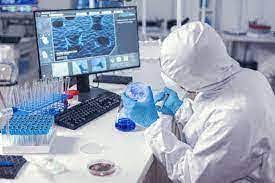 Regenerative medicine works by regenerating damaged tissue and cells in the body. It uses small molecules and cells found in the body, including stem cells. These cells are responsible for the growth, reproduction and repair of tissue. These tissues include blood, skin, bone, and muscle. Stem cell therapy involves growing specialized cells in a lab. These cells are then programmed to act like specific cell types. Click on regenerative medicine near me
Regeneration therapies have the potential to help people with failing organs. The process of repair can be a painful process and may result in scarring. Fortunately, most of these therapies are designed to restore a person’s function. They can even address congenital problems, such as a hole in the heart or corneal absence.
Regenerative medicine is a relatively new field of research. Its goal is to help patients regain organ or tissue function by stimulating the body’s natural healing process. The human body has a remarkable ability to heal itself. Broken bones heal themselves over time, and a living donor’s liver can regenerate in a matter of weeks. However, there are chronic medical conditions that do not respond to natural healing and must be treated with medication or medical devices.
There are also new therapies that use stem cells and platelet-rich plasma. These therapies stimulate the body’s natural healing process and stimulate the growth of new tissue. They can help patients avoid surgery and get back to their daily lives in a relatively short time. This approach is becoming the method of choice for many patients who are concerned about the side effects of traditional treatments.
Regenerative medicine is an interdisciplinary field that integrates cell biology, tissue engineering, and materials science. Ultimately, these therapies can replace damaged tissues and whole organs. Some of these therapies have already been approved by the FDA. Others are in preclinical or clinical trials. If successful, these therapies could lead to the treatment of many disease conditions and improve patient health.
The advancement of stem cell research in recent years has made regenerative medicine an exciting field. In addition to the potential for regenerating damaged tissues, it may also help scientists grow organs and tissues in the laboratory. It has been estimated that as many as one in three Americans could benefit from regenerative medicine.
While tissue regeneration is a promising area in regenerative medicine, one of the main goals of regenerative medicine is avoiding rejection by the immune system. The immune system regulates regeneration and has a profound impact on the process. In addition to impairing healing, the immune system also interferes with the engraftment of allogeneic cells. However, immune engineering techniques have shown promise in promoting tolerance in allograft recipients. Furthermore, changing the properties of a scaffold can reduce inflammation associated with a foreign object.
Contact Info :
QC Kinetix (Lawrenceville)
771 Old Norcross Road, Suite 375
Lawrenceville, GA 30046
Phone Number : (770) 285-8026