Know About Regenerative Medicine
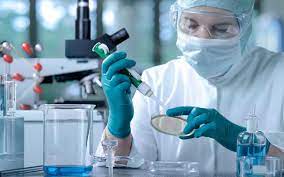 The goal of regenerative medicine is to restore lost or impaired functions in the body. This is accomplished through the use of medical devices and artificial organs. While organ transplantation is the primary option for replacement organs, it is often difficult to find and often takes a long time. A medical device or artificial organ can support a failing organ while it waits for an organ transplant. In addition to restoring the functions of damaged organs, regenerative medicine can also correct congenital defects. Examples of these include thalassaemia, lack of corneas, and a hole in the heart. You can get additional information at QC Kinetix (Springfield National Avenue)
Regenerative medicine utilizes human cells to repair tissue and organs. The use of stem cells in regenerative medicine is currently a growing field of research and may someday be used as a therapy for a variety of diseases. These treatments could treat diseases like type 1 diabetes, Parkinson’s disease, and Alzheimer’s disease. Moreover, the use of stem cells could eventually lead to the cure for many degenerative diseases.
The use of genetic manipulation and gene transfection may further expand the possibilities of regenerative medicine. Although there are concerns regarding potential risks associated with such treatments, gene transfection can be used to improve cell properties in tightly regulated processes. In addition, some medical device companies are already active in partnerships with regen start-ups.
Regenerative medicine is a growing field of research that focuses on repairing and replacing organs and tissues. In the future, scientists hope to be able to grow tissues and organs in the laboratory. This technology has the potential to help millions of Americans. So what is regenerative medicine? The answer is simple: it uses cultured human cells and tissues to restore lost organ or tissue functions.
Regenerative medicine is a promising new way to repair damaged organs and tissues. It has the potential to correct a range of diseases, including cancer. It can even help normalize congenital defects. A number of promising preclinical and clinical studies support its use. Regenerative medicine may also be used to treat acute and chronic insults to organs and tissues.
This innovative approach to medicine relies on several technologies, including tissue engineering and cellular engineering. With a combination of these, it may eventually replace organs and tissues, without surgery. Some of these technologies have already been FDA-approved. They are currently being investigated for the potential to treat various types of diseases and improve the general health of people.
Stem cell therapy is another popular regenerative medicine technique. Stem cells are a special type of cell that can heal certain injuries. Some research has shown that stem cells can be used to treat back pain and regenerate spinal disc tissues. However, stem cells cannot be used to repair damaged organs, so the treatment is not ideal for everyone.
Contac Info
QC Kinetix (Springfield National Avenue)
4955 S National Ave, Unit B
Springfield, MO 65810
(417) 221-4779